Our Mandarin immersion Montessori program combines the principles of Montessori education with Mandarin language immersion, providing students with an environment where they can learn and become fluent in Mandarin while also benefiting from the Montessori method’s child-centered, hands-on approach to learning.
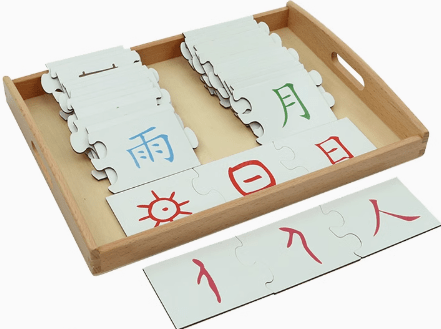
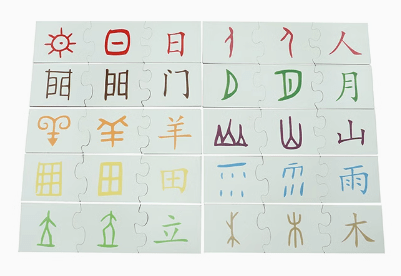
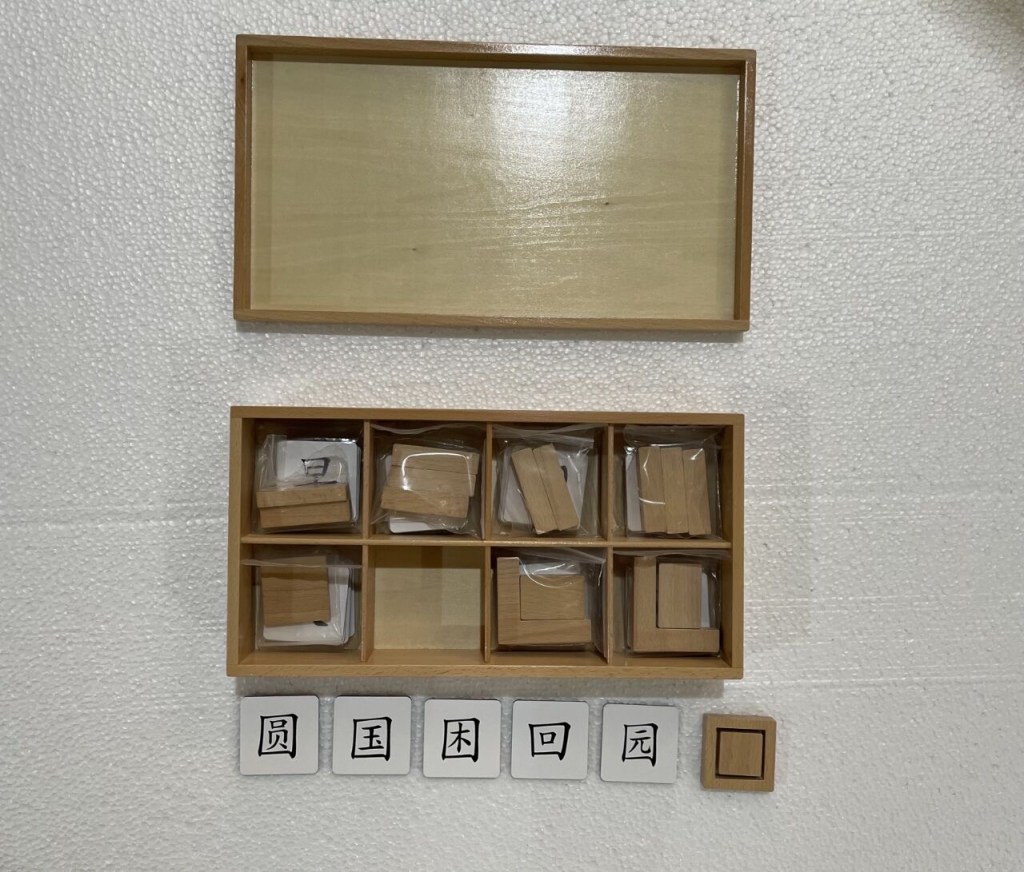
Key Features:
Language Immersion: Students are immersed in Mandarin throughout the day, with instructions, activities, and interactions primarily conducted in Mandarin. This immersive environment helps children naturally acquire the language in the same way they learn their native tongue.
Montessori Principles: The program adheres to Montessori principles, such as self-directed learning, mixed-age classrooms, and a focus on individual pacing. Children are encouraged to explore and learn through hands-on activities and materials that promote independent learning.
Cultural Integration: Alongside language learning, the program often integrates Chinese culture, traditions, and history into the curriculum, offering students a well-rounded understanding of the language and its cultural context.
Bilingual Development: While the focus is on Mandarin, English language skills are also supported, ensuring that students develop strong bilingual capabilities.
Qualified Instructors: Teachers in these programs are typically fluent in Mandarin and trained in Montessori education. They guide students in both language acquisition and Montessori practices.
Curriculum: The curriculum might include a mix of subjects such as math, science, art, and practical life skills, all taught in Mandarin. The Montessori materials and activities are presented in Mandarin, reinforcing language skills across different subject areas.
Parent Involvement: Parents are often encouraged to support language learning at home, and some programs may offer resources or workshops to help parents foster a Mandarin-speaking environment outside of school.
Benefits:
Early Language Acquisition: Children are most receptive to learning new languages at a young age, and an immersion program can lead to native or near-native fluency.
Cognitive Development: Bilingualism has been shown to enhance cognitive abilities, including problem-solving and multitasking skills.
Cultural Competence: Students develop an appreciation and understanding of Chinese culture, which can foster global awareness and empathy.
 Starting Point